How to Get Over 10,000 Visitors From Pinterest
Over 10,000 visitors were driven to a website in a single month from one platform, without creating a single post manually. Impressions exceeded one million. Engagement reached 42,000. Outbound clicks passed 10,000. The audience touched 398,000. All of this happened over the last 30 days with zero manual intervention. The platform is Pinterest, and the entire process—image creation, description writing, title generation, and publishing—runs on complete autopilot. Here is exactly how the system works and how to replicate it.
The Results: Fully Automated Traffic at Scale
A brand-new Pinterest account created for a client in the weight loss niche began publishing just yesterday. The account is already generating engagement. Every pin is created by artificial intelligence without any manual design work. The infographics are professional-grade. The descriptions are SEO-optimized. The titles are formatted to rank within Pinterest's search algorithm. When a user clicks any pin, they are automatically redirected to the corresponding article on the client's website.
This is not a manual process. No designer is creating these images. No copywriter is writing the descriptions. No social media manager is scheduling the posts. The entire workflow runs autonomously. For a website owner using Google AdSense or any advertising network, this represents a continuous, passive traffic source. For sites not yet approved by AdSense, the high-quality traffic from Pinterest can help meet the traffic thresholds that lead to approval.
What Makes These Pins Rank
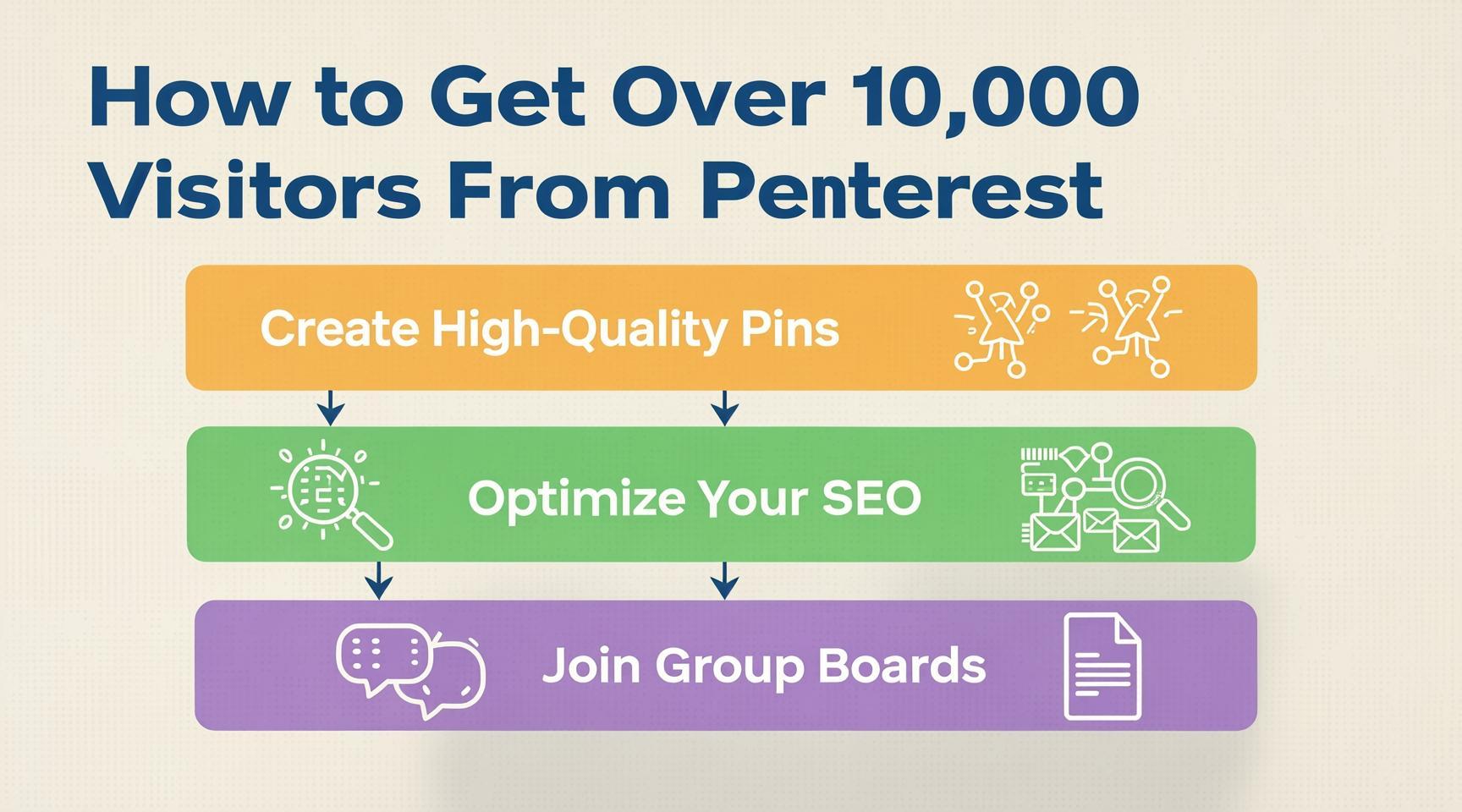
Pinterest is a visual search engine. Pins that rank are not random. They succeed because three elements work together. The image must be high-quality, relevant to the niche, and visually compelling enough to stop a user scrolling. The title must be SEO-optimized for Pinterest's internal search. The description must contain relevant hashtags and keywords that signal to Pinterest what the pin is about and who should see it.
When these three elements are consistently executed across every pin, the account gains authority. Pinterest's algorithm begins recommending the pins to broader audiences. The impressions compound. The outbound clicks grow. The entire cycle feeds itself.
The Automated System
The system that powers this process is built around a WordPress website. Here is the exact workflow that runs without human intervention.
Step 1: Article extraction. The system connects to the WordPress site and pulls articles—either the best-performing posts or all posts, depending on configuration. The user defines which content to publish.
Step 2: AI image generation. For each article, the system generates a professional, niche-relevant image using artificial intelligence. These are not templated graphics. They are unique infographics and visual assets created specifically for the content they represent.
Step 3: Image conversion. The generated image is automatically converted to a format compatible with Pinterest's requirements.
Step 4: Description creation. The system writes an SEO-optimized description for each pin, including relevant hashtags that improve discoverability within Pinterest.
Step 5: Title generation. A Pinterest-optimized title is created for each pin, designed to rank within the platform's search results.
Step 6: Automated publishing. The pin is published to the designated Pinterest boards or sections automatically.
Once the flow is activated, the entire sequence runs without further input. Each new article triggers the creation and publication of a corresponding pin. The pin links directly back to the original article, so every click from Pinterest becomes a visitor to the website.
Real Examples From Live Accounts
A weight loss website using this system generated pins with professional infographics about nutrition, calorie deficits, and meal planning. Each pin's title and description were fully optimized. The images looked custom-designed. The account was brand new, yet engagement began immediately. The pin descriptions contained the exact keyword structure and hashtag strategy that Pinterest's algorithm rewards.
Another account in a different niche showed the same pattern. Every pin in the account was AI-generated. The visual quality was consistent. The descriptions were unique to each pin. The titles varied naturally. There was no duplicate content penalty because every element was generated fresh for each piece of content.
Who This System Is For
This system works for any niche. Whether the website covers weight loss, technology, finance, travel, or any other topic, the AI generates images and content appropriate to that niche. The system connects to WordPress and pulls the articles that already exist. It does not require creating new content—it amplifies the content already published.
For website owners using Google AdSense, the additional traffic directly increases ad revenue. For sites awaiting AdSense approval, the traffic provides the visitor volume and engagement metrics that improve the likelihood of acceptance. For affiliate marketers, each visitor represents a potential conversion. For e-commerce stores, the pins drive product discovery.
The system includes a setup video that walks through installation and configuration. The process is designed to be straightforward, allowing the user to adjust settings for their specific niche and begin publishing immediately.